


Keep everyone connected to the real estate deal
Real estate transactions move between law firms, in-house counsel, business teams, lenders, and title companies. Orbital keeps the requests, findings, and documents that pass between them connected to the asset, so parties stay aligned and deals keep moving.

One deal, one team
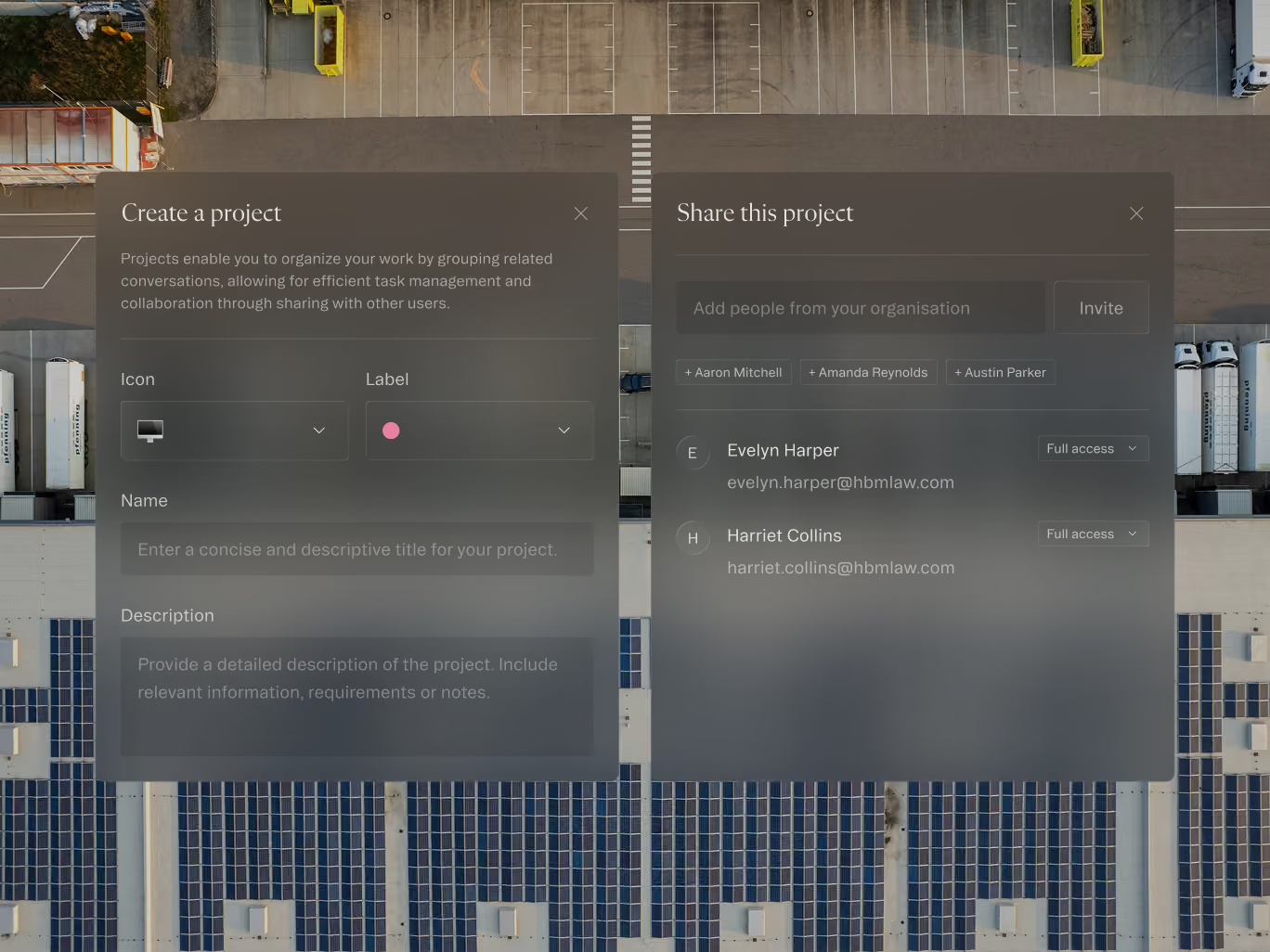
As a matter moves between partners, associates, and paralegals, or between in-house counsel and the wider business, Orbital keeps reviews, comments, and updates in one shared place, so everyone stays aligned as the deal progresses.


Share findings from the review
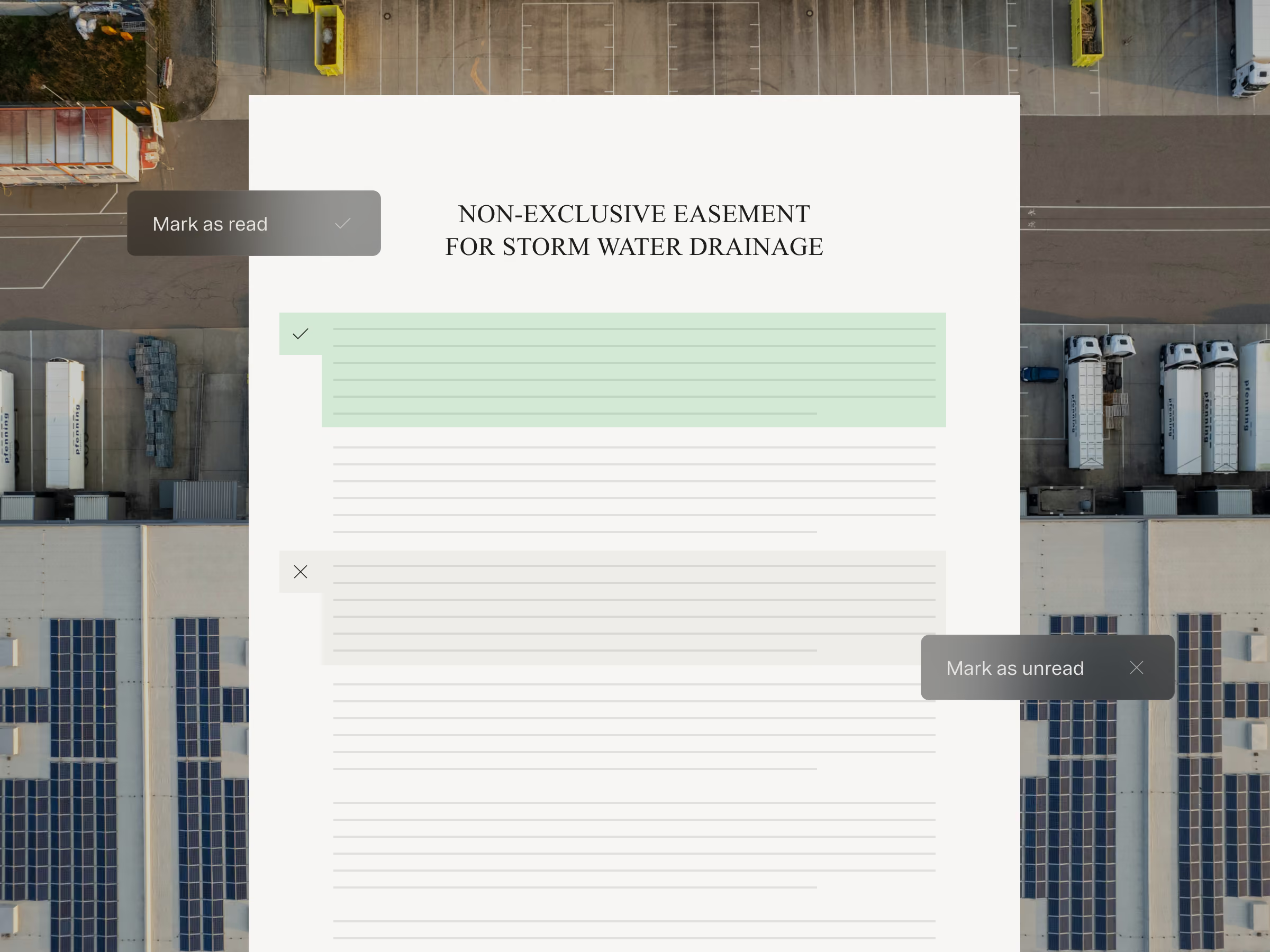
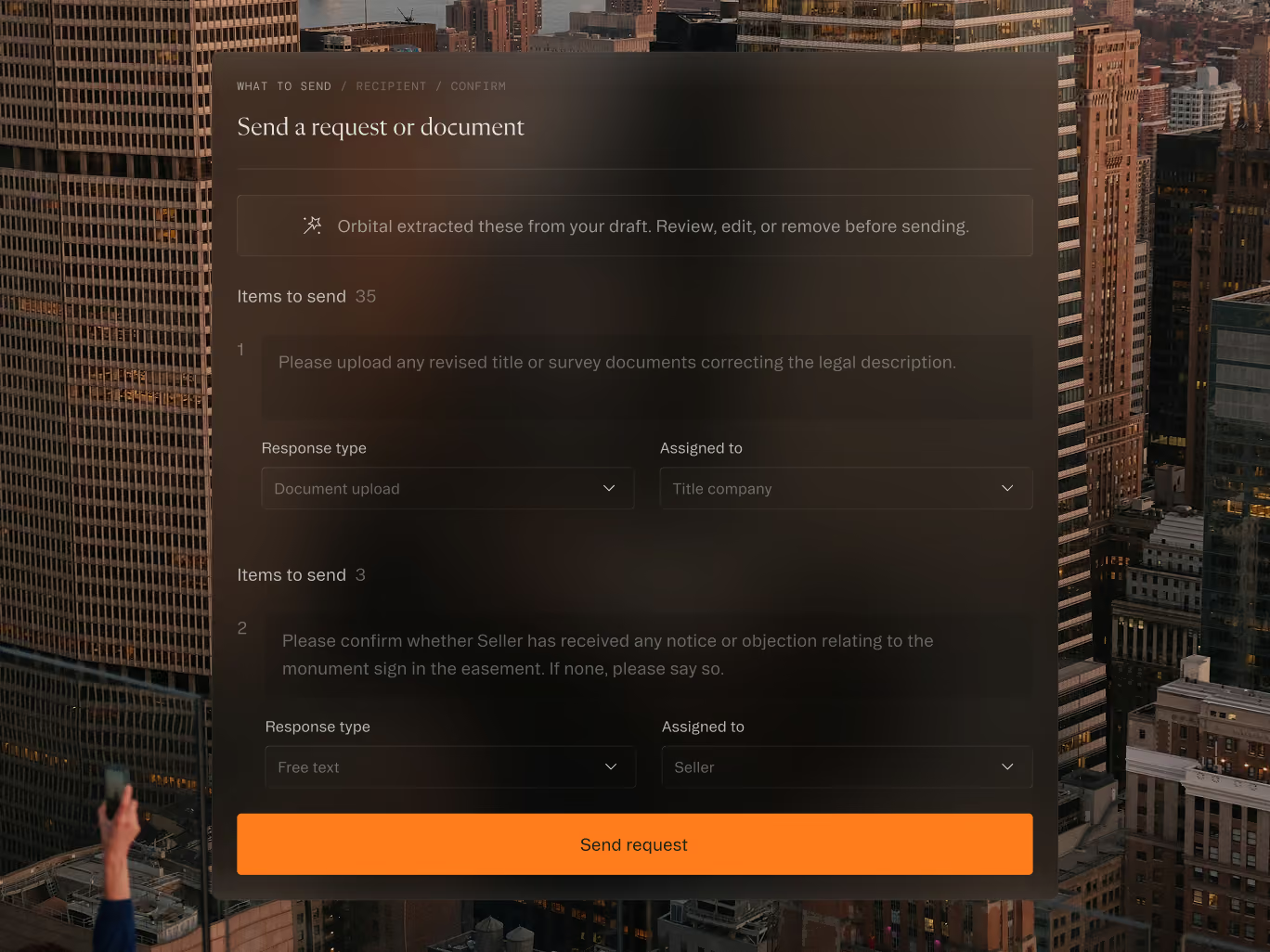
Orbital shares findings with their supporting documents and open requests, each connected to the relevant review or issue. Instead of manually providing context in an email thread, the important information is all close at hand.


Explain property issues visually
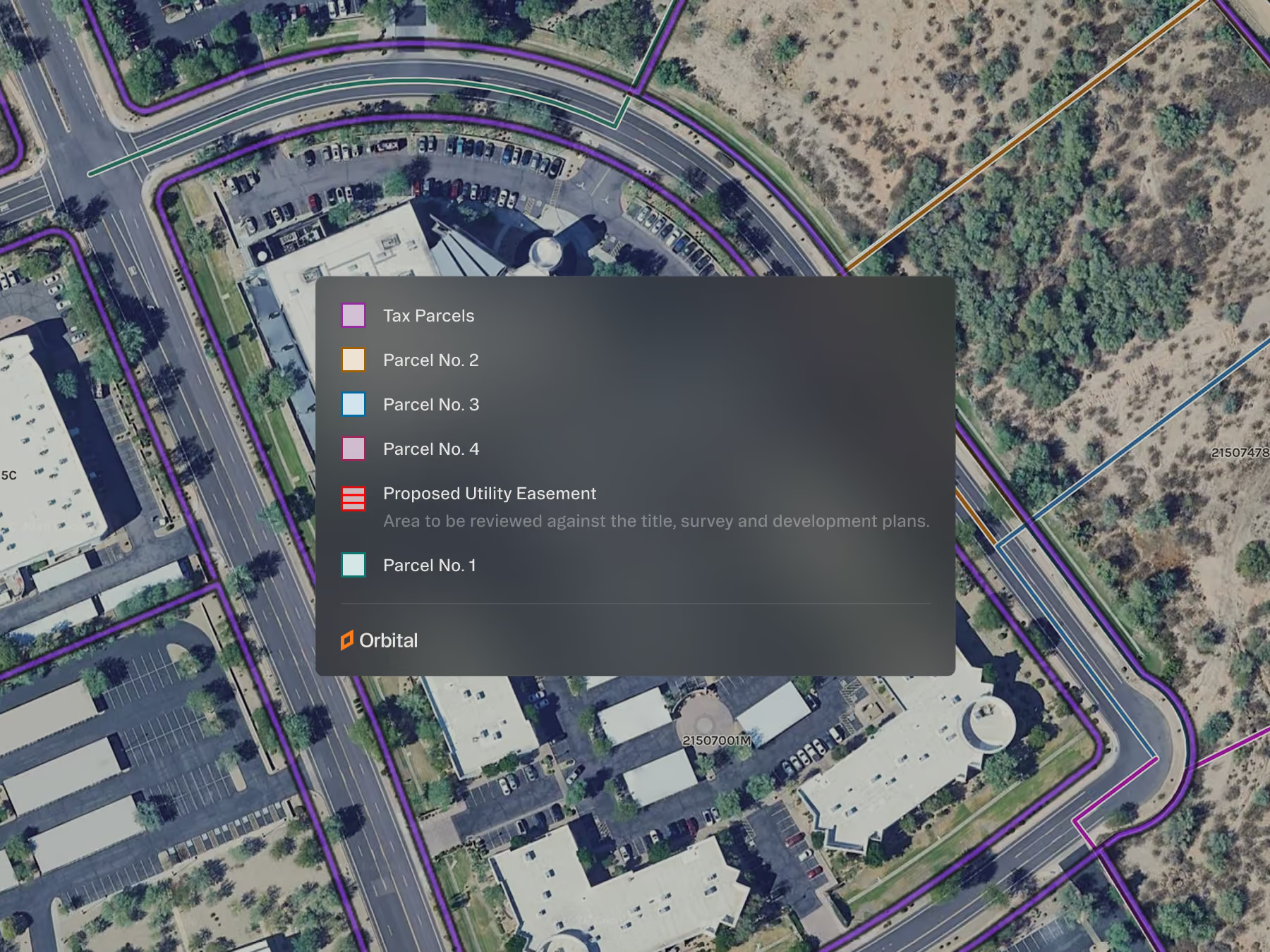
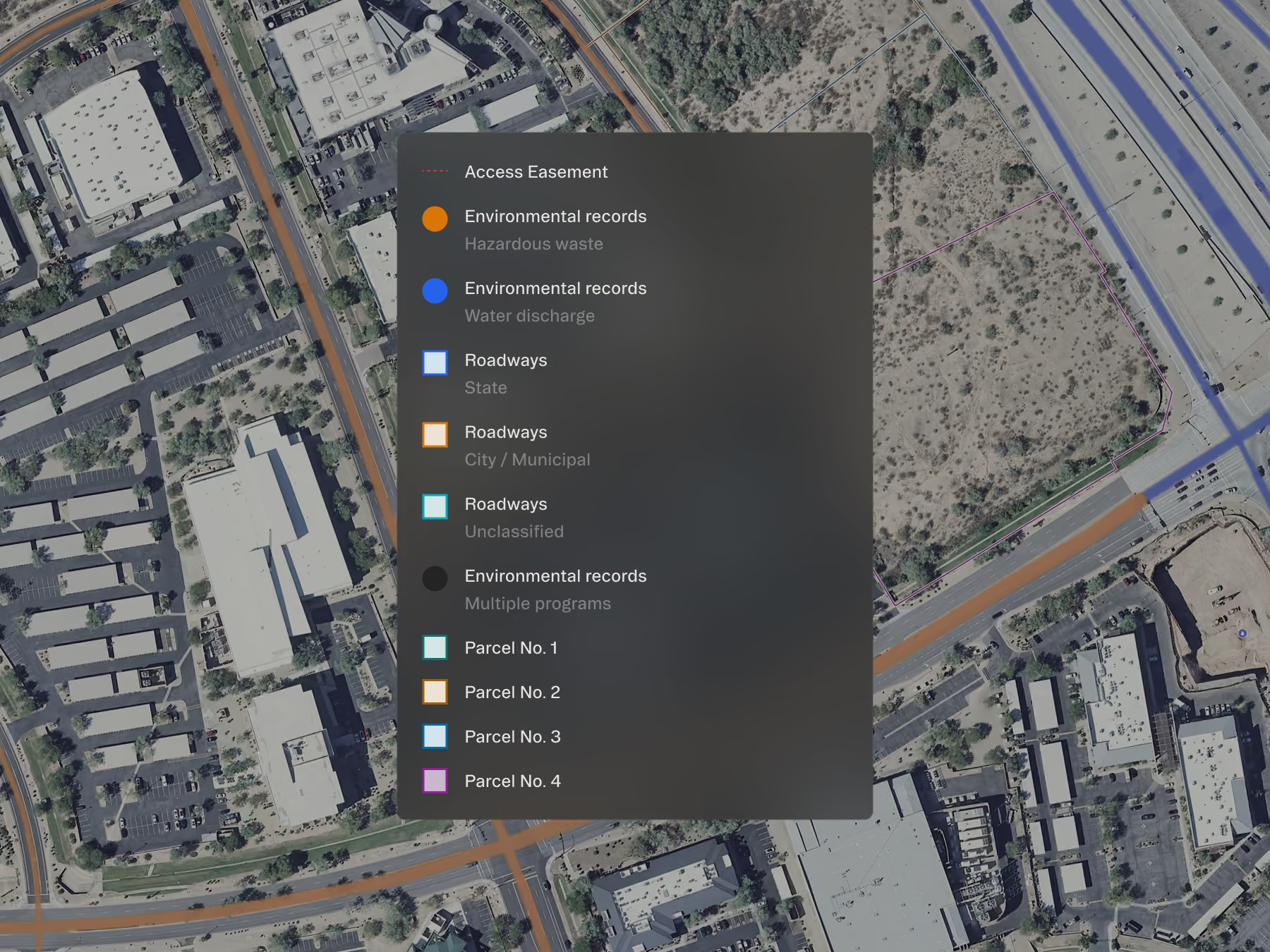
Many boundary, access, and easement issues are much easier to understand on a map than with a written description. Orbital transforms complex documents into clear visuals that are easy to interpret at a glance, making sure everyone involved can see the problem, not just read about it.

Coordination that understands real estate work
Deal rooms move files and shared inboxes move communications, but neither understands the real estate work behind them. The context still needs to be rebuilt from the title review, the lease, or the loan file, which means more work for everyone involved.
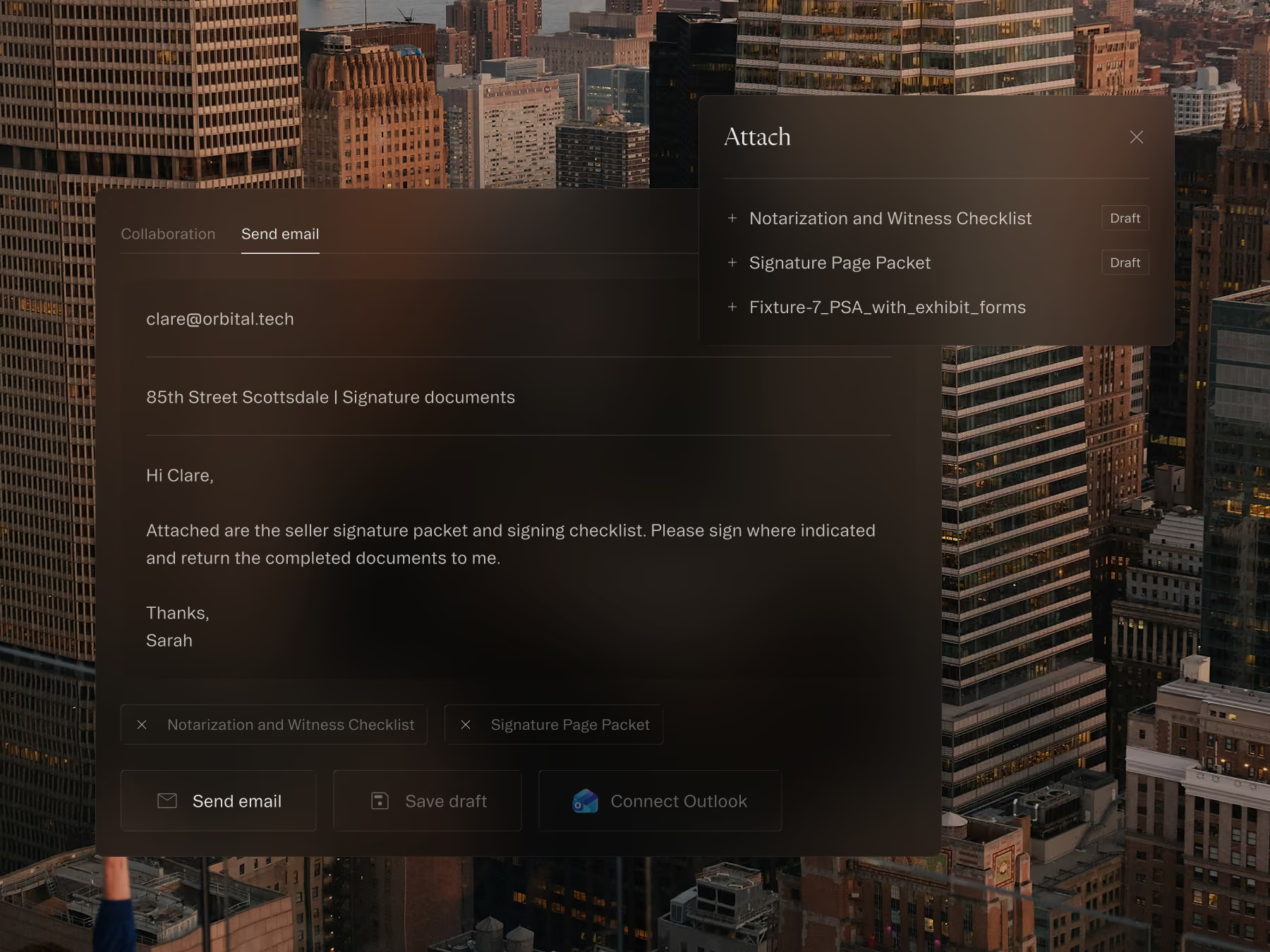
Because review and analysis already happen in Orbital, every comment, document, and finding stays connected to the underlying work. The requests, snapshots, and responses that pass between parties come straight out of the review, drafted and understood in real estate terms.
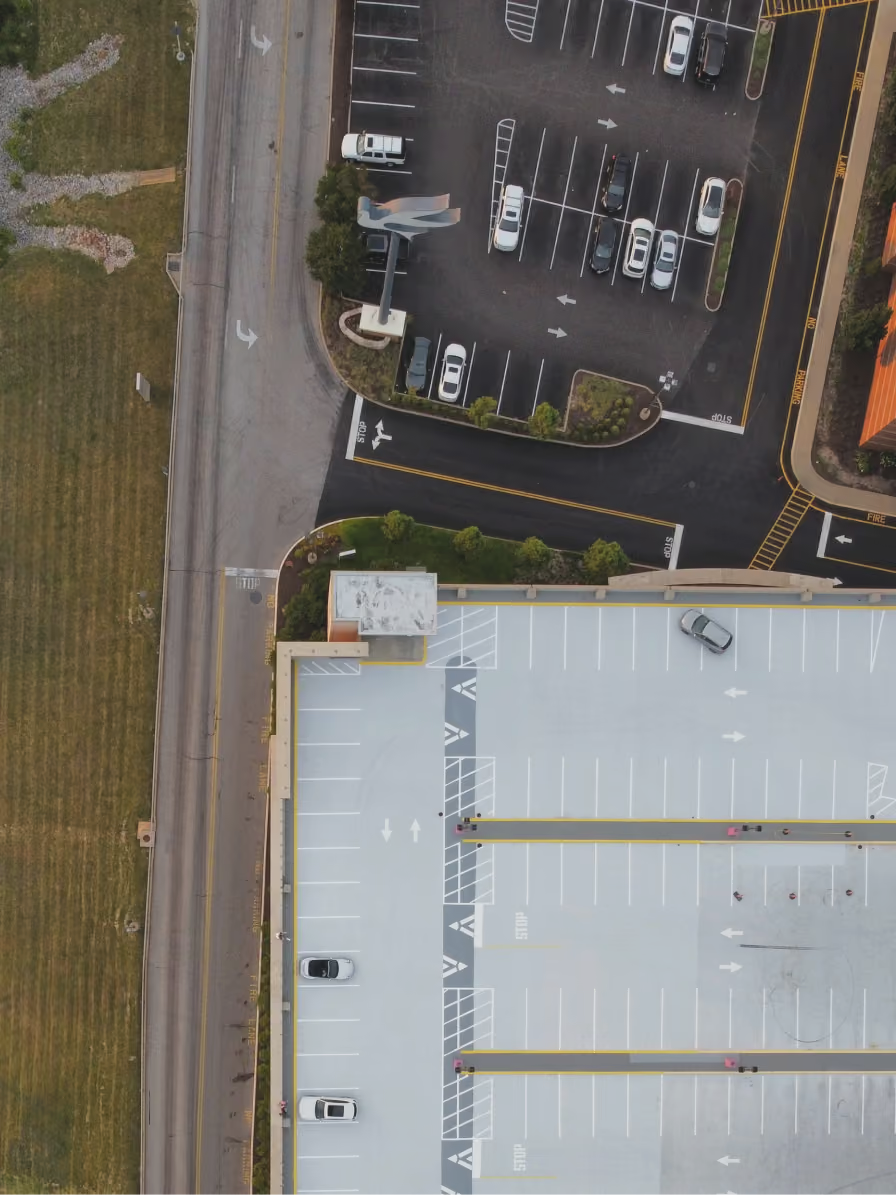
Title commitments, exception documents, leases, PSAs, estoppels, and surveys are read in the context of real estate work and processes, not treated as generic text.
Comments, shared documents, and visual findings are linked to source material, meaning the other party isn't starting from scratch.
Orbital’s built-in workflows are developed by commercial real estate attorneys, so collaboration stays grounded in the terminology, documents, and processes that actually drive the deal.